A garden that stands the test of time is first thought of in terms of soil profile and water management, not as a catalog of furniture. Before choosing a light fixture or a planter, the issue of the biotope coefficient imposed by the PLU must be addressed, which determines the maximum impermeable surface area on the plot. Ignoring this parameter risks a compliance refusal or having to excavate an already laid terrace.
Biotope Coefficient and Permeable Soils: The Framework Before Decoration
More and more local urban planning regulations impose a minimum proportion of non-impermeable or eco-developable surfaces. This biotope coefficient establishes a ratio between vegetated, semi-permeable, and fully impermeable surfaces.
In practice, a terrace made of slabs on pedestals counted as semi-permeable does not carry the same weight as a poured concrete terrace. The choice of covering becomes as much a technical arbitration as an aesthetic one.
- Grass-filled cellular slabs are generally accepted as permeable surfaces, even in parking areas.
- Composite wood on joists, laid without a concrete slab, maintains a good coefficient in most recent PLUs.
- Stabilized gravel (honeycomb + crushed limestone) offers a mineral appearance without blocking infiltration.
- Drainage resins allow for a smooth appearance while letting water pass through, but their cost per square meter remains high.
We recommend consulting the zoning regulations of the PLU before purchasing materials. A 40 m² terrace in exposed aggregate concrete can shift the ratio and require compensation elsewhere with topsoil.
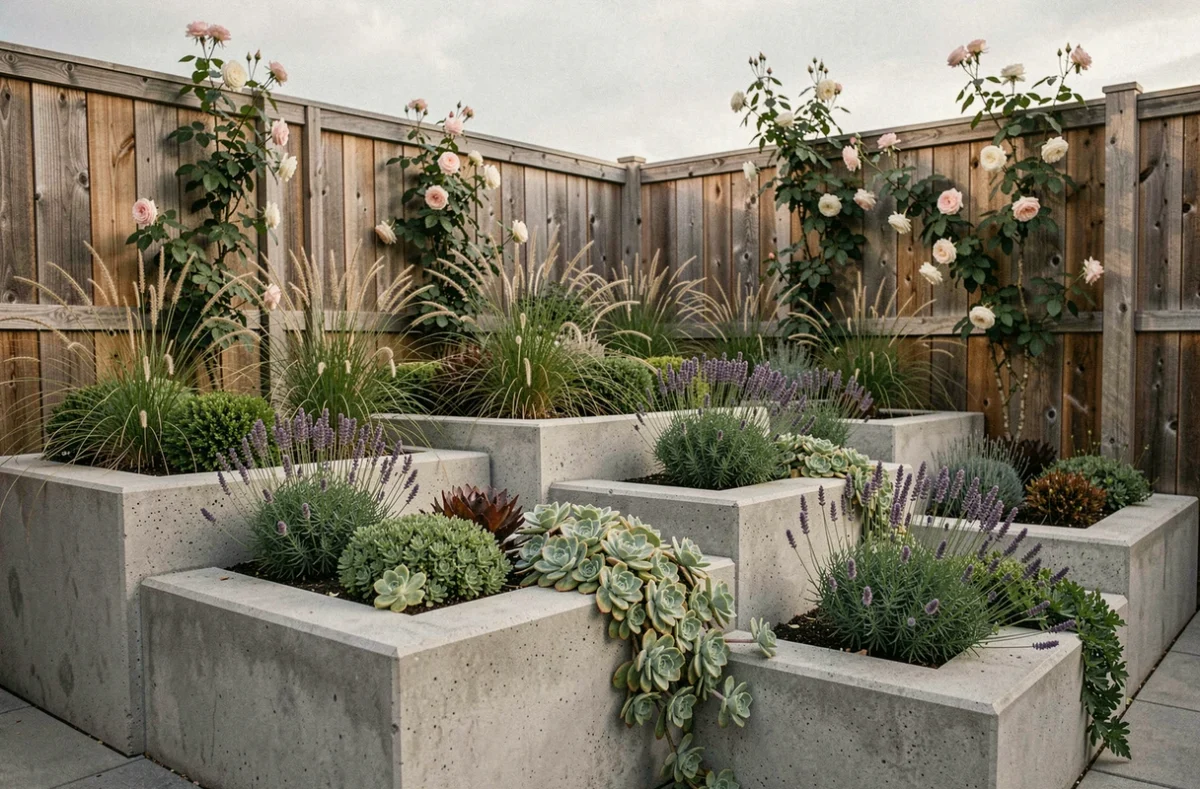
To find furniture and accessories that fit into a design respectful of these constraints, we have identified interesting pieces on the garden on NANANERE DÉCO, including raised planters compatible with permeable soils.

Rainwater Harvesting in the Garden: What Decree 2024-796 Changes
Since decree no. 2024-796 and the order of July 12, 2024, rainwater can be used for garden irrigation, vegetable gardens, and outdoor cleaning. However, it must not be consumed as drinking water.
The installation must remain separate from the drinking water network. Any roofing containing asbestos-cement or lead is subject to additional restrictions on collection.
This regulatory framework opens the door to buried or above-ground tanks that become true design elements. A brushed stainless steel tank of 500 liters, placed against a stone wall, functions as a utilitarian sculpture. Corten steel tanks, which develop a controlled rust patina, blend into contemporary gardens without clashing.
Size the Tank According to the Planted Area
The useful volume depends on local rainfall and the collecting roof area. In regions where dry summers are extending, a tank that is too small empties after a few waterings. It is better to slightly oversize and install an overflow connected to a vegetated retention basin, which also serves as a landscaping element.
Drought-Resistant Plants: Botanical Palette and Bed Structure
The Ifop barometer for Unep in March 2025 indicates that 84% of French people have already changed their gardening practices in response to climate change or plan to do so. Among the cited responses: drought-resistant plants, reduction of mineral surfaces, refuges for biodiversity.
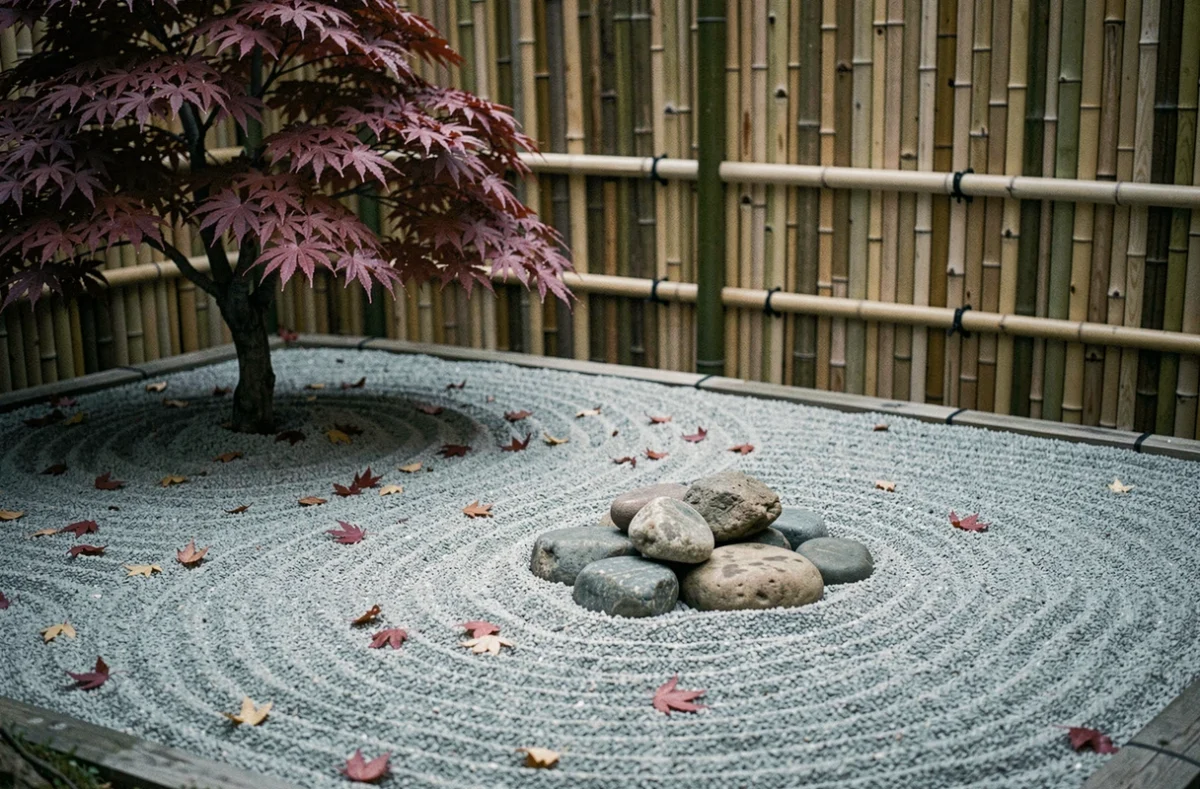
On the plant palette side, ornamental grasses (Stipa tenuissima, Pennisetum, Miscanthus) structure a bed without requiring watering once established. Combined with Mediterranean perennials (lavender, gaura, perovskia), they create a permanent movement in the wind, which is difficult to achieve with annuals.
Structure the Layers for a Dense Effect All Year Round
A trendy bed is not just an alignment of low plants. We observe that the most successful designs combine three distinct layers.
- High layer (evergreen shrubs or grasses over one meter): it provides volume and serves as a backdrop.
- Intermediate layer (perennials 40 to 80 cm): it provides flowering and seasonal movement.
- Ground cover layer (thyme, sedum, blue fescue): it dresses the base of the beds and limits weeding.
This three-level layering drastically reduces maintenance. A well-layered bed is weeded two to three times a year, compared to every two weeks for a poorly densified traditional flower bed.
Low Voltage Outdoor Lighting and NF C 15-100 Standard
Lighting transforms a mundane garden into a lively space at night, but outdoor installations are subject to the NF C 15-100 standard. All outdoor circuits must be protected by a 30 mA differential and fixtures installed less than 60 cm from the ground must have a minimum IP44 protection rating.
Recessed spotlights elegantly mark a path. Autonomous solar bollards avoid cable runs, but their light output remains low. For truly effective ambient lighting, 12 V or 24 V LED strips powered by a waterproof transformer offer the best compromise between safety, sobriety, and appearance.
Create Light Plans Rather Than Uniform Lighting
Illuminating a trendy garden means choosing what to highlight and what to leave in shadow. Uplighting on a solitary olive tree, backlighting behind a tall grass, a path illuminated at ground level: these three sources are enough to structure the night without excessive light pollution.
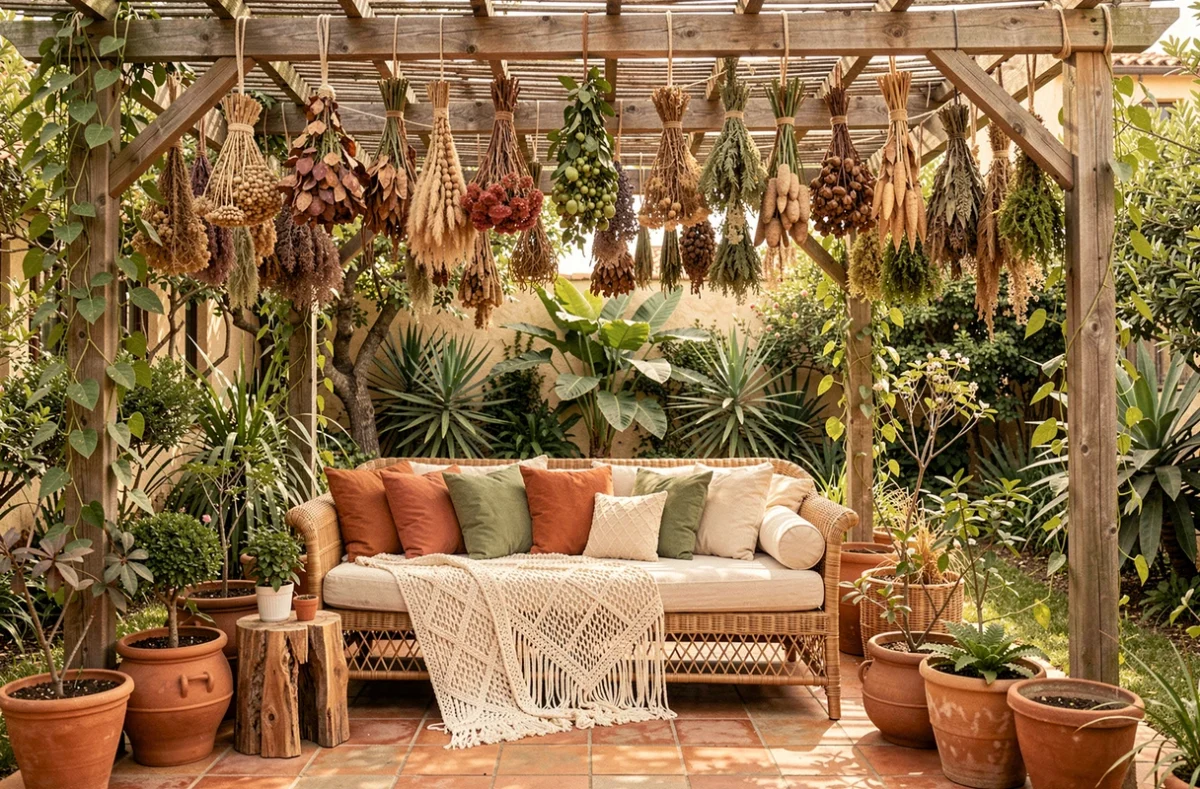
The sustainable trend of the garden is not about accumulating decorative objects, but about the coherence between soil, water, plants, and light. A respected PLU, a well-sized tank, perennials suited to the local climate, and understated low-voltage lighting form a foundation on which every aesthetic choice finds its place without technical compromise.