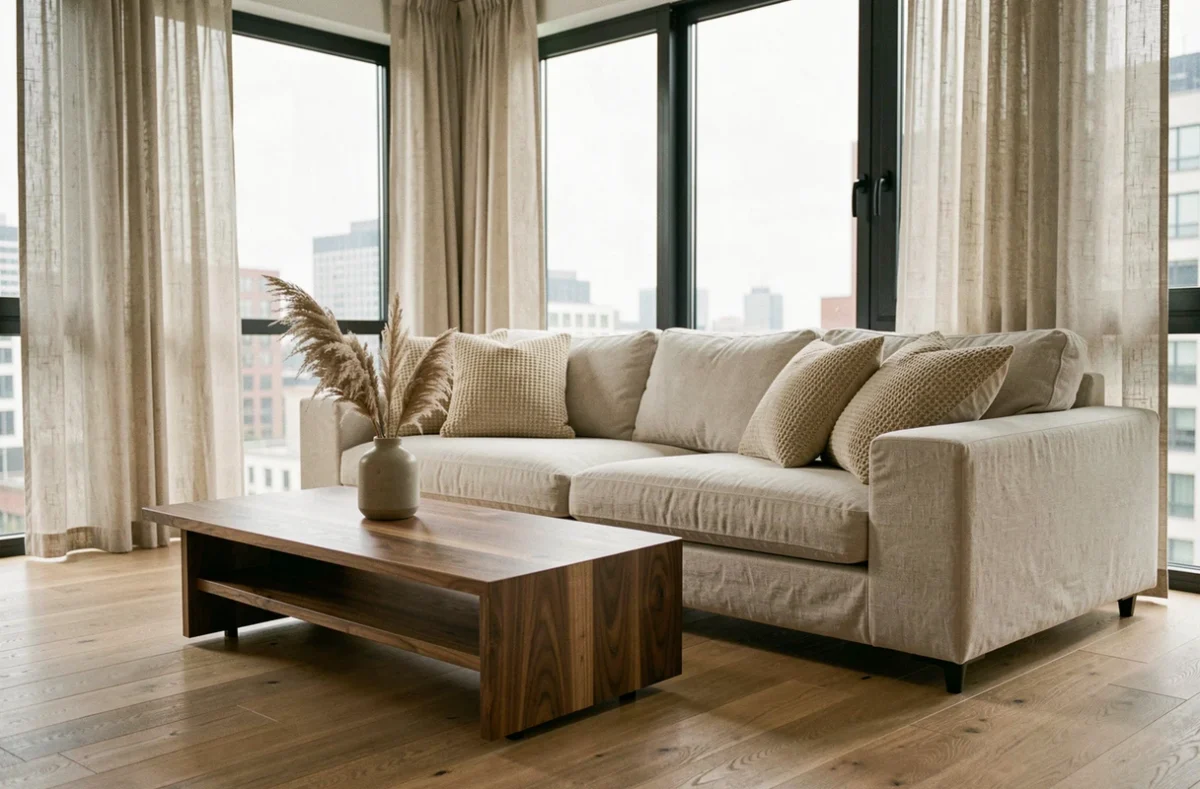
The home sector now combines decoration and regulatory constraints. With the changes in energy performance diagnostics, new requirements for summer comfort, and the reorientation of renovation aids, decor choices are no longer just a matter of style. Understanding these parameters helps in making decisions that enhance a property both aesthetically and in terms of value.
Revised DPE in 2026: What It Changes for Interior Decoration
The energy performance diagnosis was recalculated in 2026. Some electrically heated homes were able to move out of classes F or G without material renovation, simply due to the new calculation method. This reclassification alters the perception of a property by buyers and tenants.
In practical terms, an apartment reclassified to a higher category no longer needs major insulation work to be rented or sold. The budget initially allocated for these works can be redirected towards interior design, the choice of quality materials, or kitchen renovation.
As a result, several owners are reexamining their priorities. Instead of urgently replacing windows, they invest in finishes that enhance visual comfort and the functionality of living spaces. By browsing the articles published on Be At Home, one can see how energy issues now influence decor decisions.
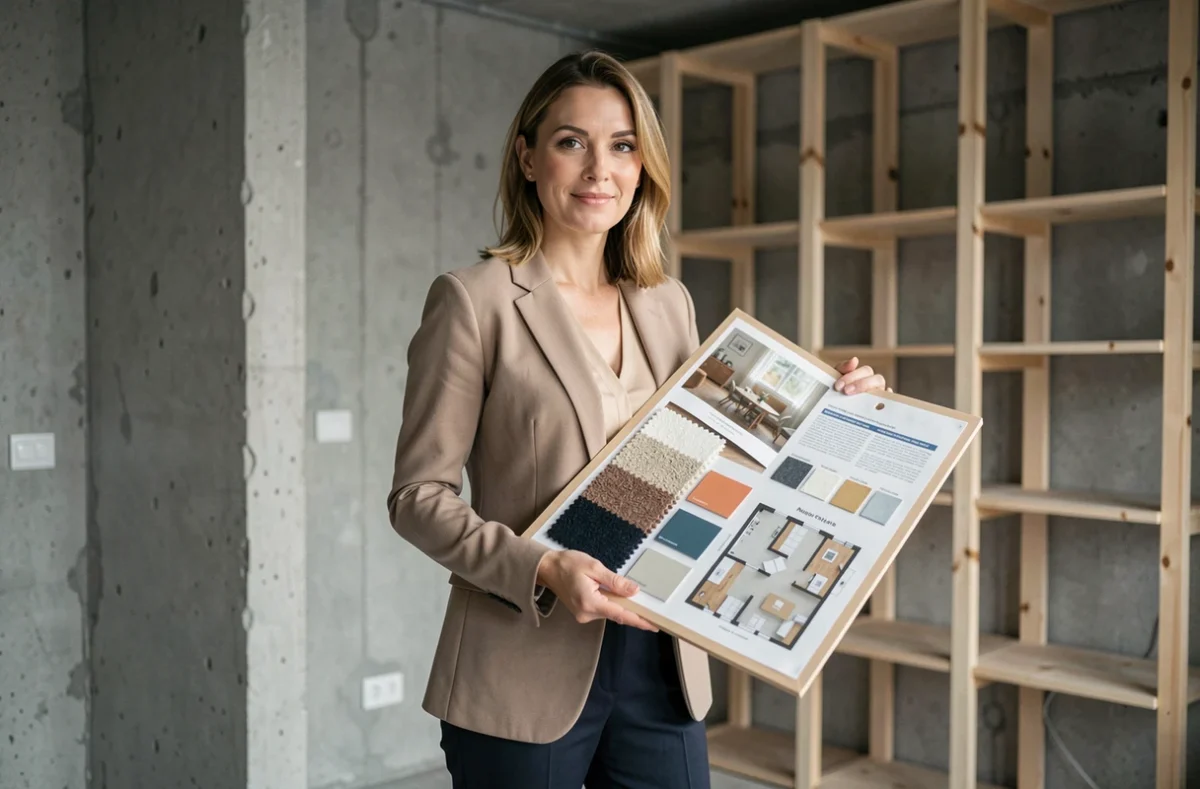
Summer Comfort and Layout: Beyond Thermal Insulation
After the heat episodes of 2026, the government initiated work on an indicator dedicated to summer comfort in homes. The goal is to distinguish winter energy performance from a home’s ability to remain livable during heatwaves.
Two measures have been highlighted: facilitating the installation of shutters in condominiums and supporting the deployment of reversible heat pumps. These devices, long hindered by condominium regulations or architectural constraints, are becoming a priority to reduce the number of homes classified as “thermal kettles.”
Shutters, Sunshades, and Blinds: Decor Choices with Dual Function
The installation of shutters or exterior sunshades is not just a technical issue. These elements modify the facade, the light volume of the rooms, and the interior ambiance. A wooden shutter with adjustable slats, for example, filters natural light and adds a charm that a basic interior blind does not offer.
The choice of colors for these fixtures also plays a role. Light shades reflect more solar radiation, while darker tones absorb heat. The color of a shutter influences the indoor temperature as much as the aesthetics of the facade.
Reoriented Renovation Aids: Which Works Remain Fundable
Since September 2026, the rules for MaPrimeRénov’ have evolved. Some isolated works (replacement of windows alone, attic insulation alone) can no longer be the subject of an independent request. Projects must integrate a decarbonized heating system or be part of a comprehensive renovation.
This reorientation has a direct impact on layout choices. Rethinking the interior of a home now requires crossing aesthetic and technical dimensions from the design phase.
Combining Energy Renovation and Interior Redesign
A comprehensive renovation project requires coordinating several trades. If one replaces a heating system with a heat pump, one must plan the location of the indoor unit, adapt the room’s lighting, and sometimes rethink the furniture layout.
This constraint can become a lever. Here are the areas where energy renovation naturally intersects with decoration:
- Insulating walls from the inside slightly reduces the living space, prompting a rethink of furniture arrangement and the choice of integrated storage to optimize space
- Replacing an old convector with a low-temperature radiator frees up wall space and allows for new coverings or decorative shelves
- Installing a double-flow ventilation system requires technical ducts that a stylish false ceiling can conceal while integrating indirect lighting
Natural Materials and Earthy Colors: A Trend Aligned with Regulations
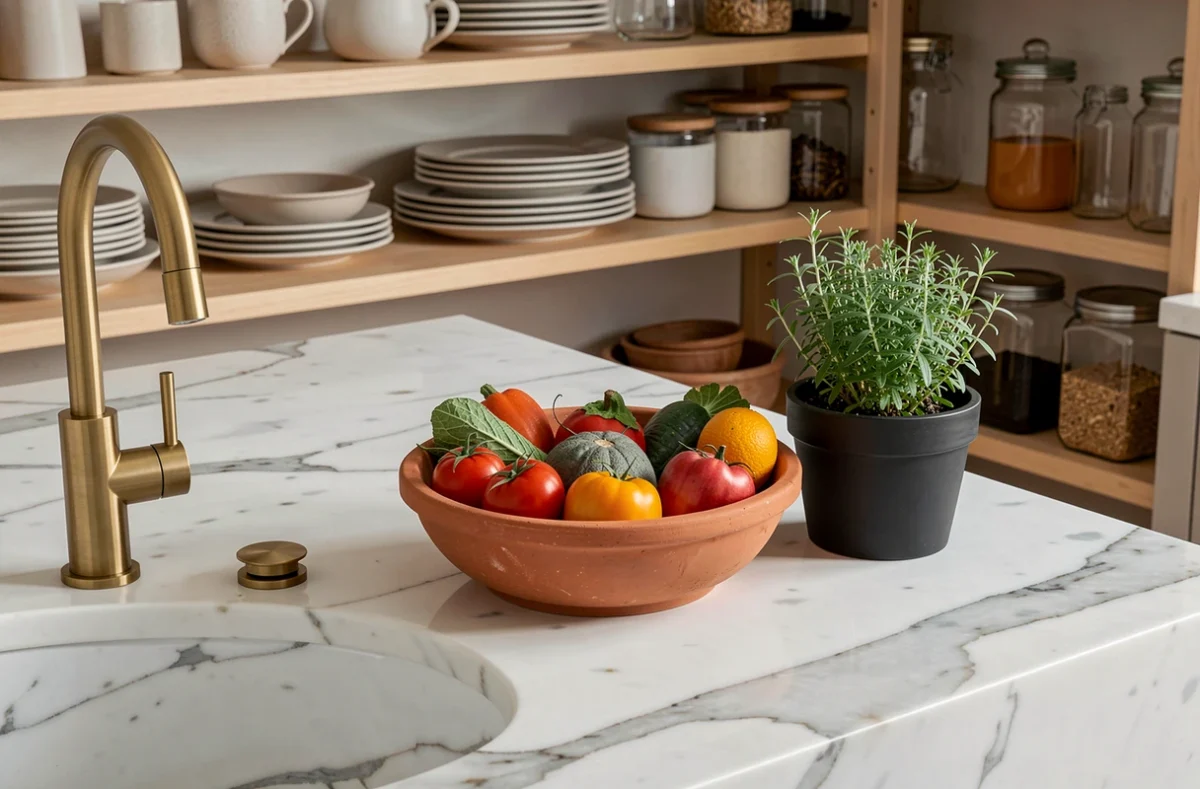
Wood, stone, linen, and ceramics dominate interior decoration choices. These natural materials are not just a passing trend. They respond to a logic of sustainability that regulations encourage, particularly in new construction where bio-sourced materials are gaining ground.
Earthy colors (ochre, terracotta, sage green, warm beige) complement this approach. They harmonize with raw or lightly worked surfaces and create a soothing atmosphere in living spaces as well as in the bathroom or kitchen.
Wood in Renovation: Aesthetic and Thermal Performance
Interior wood cladding or solid wood flooring improves the thermal inertia of a room while providing visual warmth. Wood also regulates ambient humidity, an asset in poorly ventilated old apartments.
Choosing local wood cladding reduces the carbon footprint of the project and fits into the logic of comprehensive renovations eligible for aid. Oak, beech, or chestnut offer varied shades without resorting to exotic species.
Condominiums: The Often Overlooked Link in Decorative Renovation
Condominiums concentrate a significant portion of energy-consuming housing. The financing of their energy renovation is subject to specific mechanisms, but decisions remain subject to a vote in the general assembly.
Installing shutters, modifying the exterior appearance of a facade, or adding cladding requires the agreement of the condominium. This barrier explains why many owners limit themselves to interior improvements (painting, lighting, furniture) without touching the building’s envelope.
The government announcements of 2026 regarding the simplification of shutter installation in condominiums could change the game. If these measures come to fruition, condominium owners will have decor levers previously blocked by building regulations.
The line between decor trends and real estate news is gradually fading. A choice of covering, color, or equipment is no longer made without considering the DPE, available aids, and condominium constraints. Keeping an eye on these regulatory developments is becoming as useful as flipping through a design magazine.