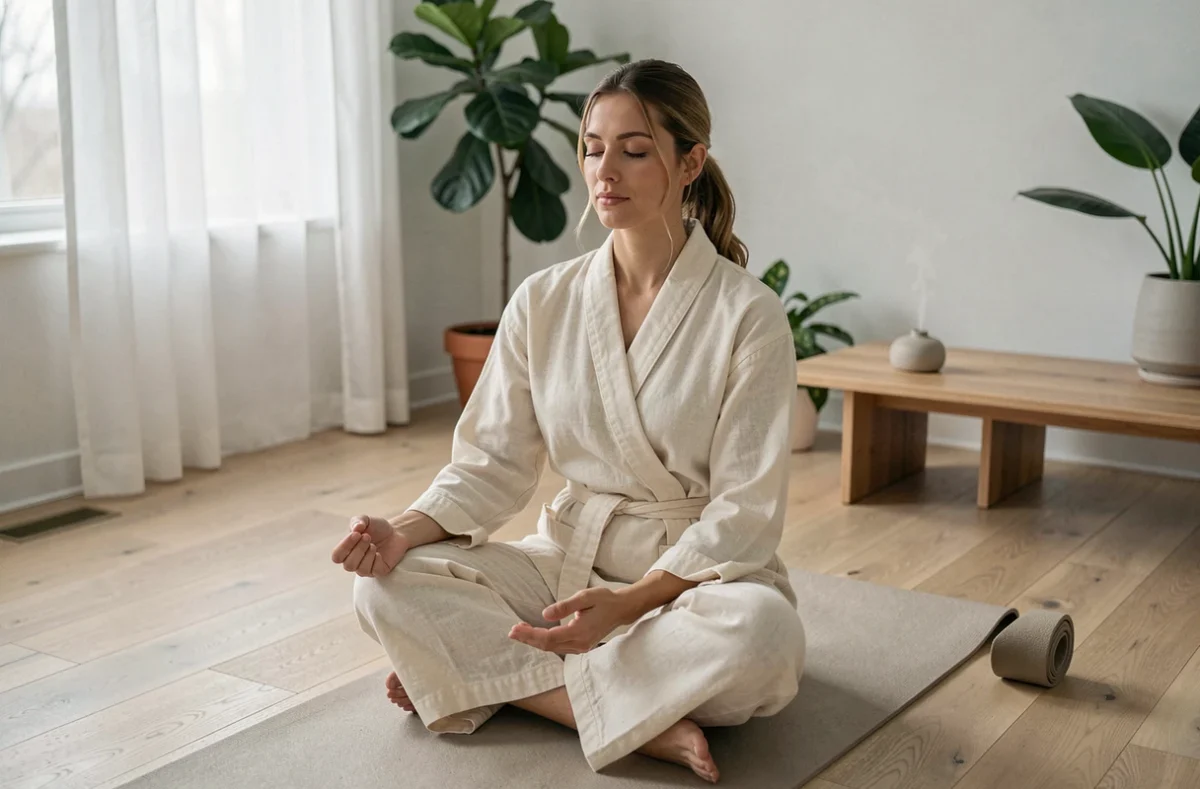
A calming wellness space is about more than simply filling a room with candles and soft cushions. The distinction between comforting decor and genuinely improving the indoor environment is too rarely made. A 2019 scientific review concluded that an unrealistic number of houseplants would be needed to remove volatile organic compounds as effectively as simply replacing the air. Before thinking about ambience, think about air and noise.
Indoor air quality: ventilation and pollution sources come before any purchase
An air purifier is not always the right first step. Anses states that the effectiveness and safety of several technologies (ozonation, ionization, plasma, photocatalysis) have not been demonstrated under real-world conditions. Some processes may even produce secondary pollutants.
The priority is to limit pollution sources and ventilate. Paint, adhesives in new furniture, scented cleaning products: identifying and removing each source of emissions is more valuable than buying a filtration device.
Air exchange and mechanical ventilation work together. Opening windows quickly replaces indoor air, while a mechanical ventilation system (VMC) provides a continuous flow. Air inlets and extraction vents should be kept clear and clean. Recurring condensation or mold indicates an issue to investigate, not something to mask with an essential oil diffuser.
We recommend checking the condition of your VMC before investing in any wellness equipment. Resources such as maison-du-bienetre.fr can help you explore solutions that combine comfort and air quality without falling for gimmicky purchases.
Soundproofing room by room: an underestimated way to improve well-being

Peace and quiet at home cannot be achieved with thick textiles alone. WHO guidelines distinguish between sources of outdoor noise: recommended nighttime limits vary for road, rail and aircraft noise. Choosing the room least exposed to noise for your relaxation space matters more than adding another curtain.
Here are some practical steps, ranked from most to least effective:
- Replacing single glazing with asymmetrical double glazing measurably reduces sound transmission, whereas a blackout curtain only dampens high-frequency surface noise.
- Adding weatherstripping to existing windows and doors addresses the main source of sound leakage in most older homes.
- Moving your relaxation area to the room furthest from the traffic-facing side of the building, even if that means giving up the brightest room.
Decorative acoustic panels absorb indoor reverberation but do not stop noise from getting in. Their role is complementary, never central.
Creating a calming corner in a noisy or poorly ventilated home
This is a common concern in urban apartments: how can you create a wellness space when your home has both noise pollution and inadequate ventilation? The answer lies in balancing sensory comfort with measurable physical conditions.
Closing the window to keep things quiet worsens air quality. Opening it to ventilate lets the noise back in. You can resolve this dilemma by airing the room in stages: open the window wide for ten minutes, then close it and enjoy the quiet during your relaxation session. The refreshed air will remain good enough for a meditation or reading session.
When choosing furniture and materials, opt for low-VOC products. Checking the labels on paints, adhesives and flooring before you buy helps protect the air quality in your wellness space.

Light and temperature: two physiological factors
For a space dedicated to relaxation, a dimmer paired with a warm-toned bulb can transform how a room feels without any renovation work. Opting for soft lighting in the evening helps prepare your body for rest.
The ideal temperature for relaxation is slightly below the level of active thermal comfort. A resting body produces less heat, so an overheated room can make you drowsy without helping you truly unwind.
Houseplants: their real role in a wellness space
Plants contribute to the visual atmosphere and foster a sense of connection with nature. Their air-purifying effect, however, is a practical myth. Anses recommends not relying on plants to clean the air and instead prioritizing source reduction and ventilation.
Plants can still play a valuable role in a calming space, as long as it is understood correctly:
- Caring for a plant creates a small daily ritual, a mindful anchor that gives structure to your wellness routine.
- Natural greenery can reduce visual stress, particularly in rooms without a view of the outdoors.
- Some tropical plants slightly increase local humidity, which may improve breathing comfort in a very dry home during winter.
Two or three hardy plants (pothos, snake plant, spider plant) are enough. Adding too many plants without adequate ventilation can increase humidity and encourage mold growth—the opposite of what you want.
A calming wellness space for everyday use starts with measurable conditions, not aesthetic ones. The air you breathe, the noise you experience and the light around you determine how restorative your relaxation really is. Everything else—textiles, colors, objects—adds character to an environment that is already healthy. We find that the most lasting improvements always begin with a simple assessment of the room, not a shopping list of decor.