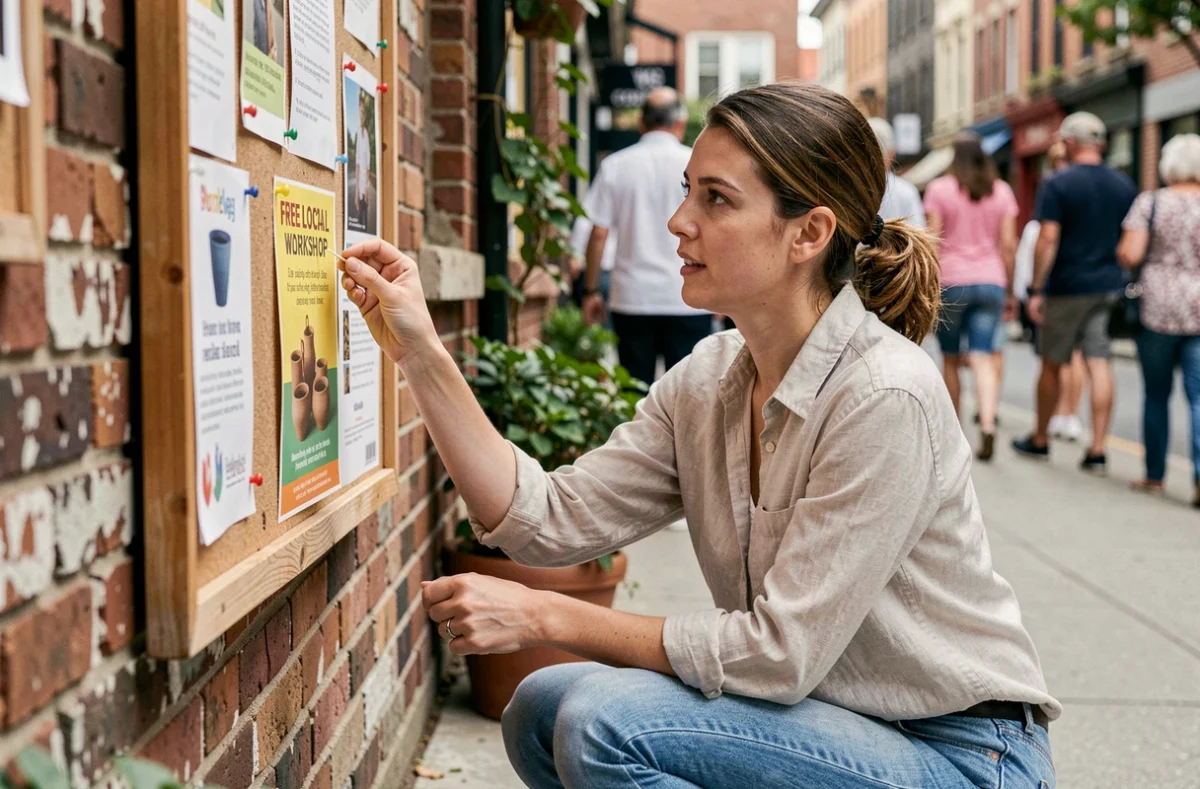
We’ve all experienced that Saturday afternoon when we feel stuck, convinced that we need to pull out our wallets to keep ourselves entertained. The reality is simpler: most municipalities offer regular free activities, but they are scattered across municipal websites, association pages, or cultural calendars that no one checks in one place. The problem isn’t the lack of options; it’s the visibility of those options.
Local calendars and free leisure platforms: where to look specifically
Before browsing through ten different tabs, you can save time by targeting three types of sources. Municipal and intercommunal websites publish a cultural and sports calendar every month. Libraries, often underutilized, organize creative workshops, book clubs, and free screenings.
Specialized platforms aggregate this scattered information. For example, you can find leisure activities on Mister Free Free by filtering by city and category, which avoids navigating between several unrelated association websites.
The lesser-known reflex is to directly follow the social media accounts of local youth centers, community centers, and shared gardens in your neighborhood. These organizations communicate their free events almost exclusively on their local pages, not on major national portals.
- Municipal and intercommunal websites: downloadable monthly calendar, often in PDF format, with free activities marked by an icon
- Free leisure aggregation platforms: search by geolocation, filters by type of activity (nature, culture, sports)
- Social media pages of neighborhood associations: occasional events, participatory workshops, street festivals rarely listed elsewhere

Free local activities: going beyond museums and monuments
Classic lists of free outings often limit themselves to free museums on the first Sunday of the month or public parks. We miss out on participatory formats that cost nothing and create connections.
Shared gardens and green volunteering
Many cities have shared gardens open to residents, even without an assigned plot. People can participate in collective planting or maintenance sessions, with no commitment. It’s a concrete, free outdoor activity, and accessible without equipment or annual registration.
Guided urban walks and nature outings
Local associations organize free guided walks in historic neighborhoods or peri-urban natural areas. Some local authorities also offer nature outings led by facilitators, especially during European Heritage Days. These formats exist in most departments in France, not just in Paris.
Scientific workshops and intergenerational meetings
Free participatory leisure activities go far beyond simple cultural visits. You can find repair workshops (repair cafés), astronomy introductions in local clubs, and intergenerational board game sessions in community centers. These activities are free, open to everyone, but rarely highlighted on traditional search engines.
Reservations and limited spots: the trap to check before heading out
One point that guides to free outings rarely mention: many free activities require prior reservations with very limited spots. You travel for a free pottery workshop on a Saturday morning, only to find out on-site that registrations closed three days ago.
At the Maison de Balzac, for example, free workshops organized in October 2025 limited attendance to 15 participants per session. This is not an isolated case. Feedback varies on this point depending on the organizations, but the trend is clear: the more attractive the activity, the tighter the limit.
Checking registration conditions before heading out should become a reflex. Three checks are sufficient:
- Does the event require online or on-site registration, and what is the deadline before the date?
- Is there a limit on participants displayed on the event page or the organization’s page?
- Is the activity free for everyone or subject to age, residency, or status conditions (job seeker, student)?

Culture Pass and conditional free access: what changes with age
Free access does not only depend on the location or the event. For young people, the Culture Pass changes the equation. The individual credit is 50 euros at age 17 and 150 euros at age 18, usable until the day before turning 21. Those aged 15-16 still have access to free offers listed on the app, without individual credit.
In practice, the Culture Pass is not just for buying concert tickets or books. It provides access to workshops, artistic courses, and local performances that are not always visible on municipal calendars. For families, it is a concrete lever to discover local leisure activities without upfront costs.
Combining real free access and subsidized offers
You can cross-reference strictly free events (neighborhood festivals, free exhibitions, nature outings) with offers accessible via the Culture Pass. This combination significantly expands the range of possible activities, especially outside major metropolitan areas where free offerings are less dense.
The calendar also matters. Heritage Days, Music Day, and Open House Days for artists’ studios are all annual free events present throughout France. Noting them in a shared calendar at the beginning of the year helps avoid discovering them too late.
Ultimately, the difficulty is never finding a free leisure activity. It’s knowing where to look at the right time and checking that there is still space before putting on your shoes.