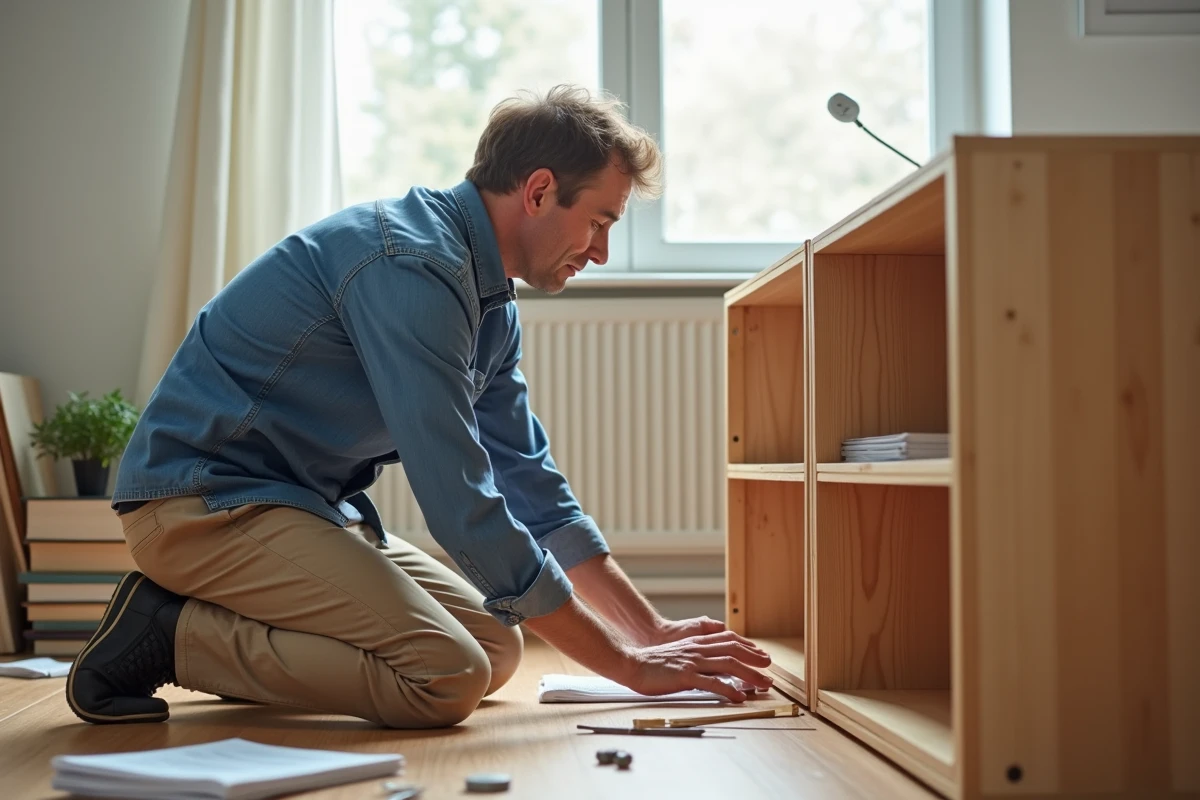
A common mistake is to neglect preparation before diving in, while 80% of defects stem from a lack of foresight. Versatile tools promise to replace an entire toolbox but often end up complicating the simplest tasks. Some old methods, forgotten in favor of quick solutions, remain more effective for ensuring the strength and durability of projects.
The absence of a plan or underestimating the time needed leads to the abandonment of many projects. Yet, a few clear guidelines and a reasoned choice of materials are enough to transform the experience, even for beginners.
DIY at home: why it’s easier than you think
DIY is becoming part of everyday life, far from the image of a domain reserved for insiders. Personalizing and optimizing your space are now accessible actions for anyone willing to give it a try. Independence is learned through the repetition of simple tasks, the gradual discovery of each tool, and the satisfaction of seeing your project progress concretely. Saving and creating go hand in hand: fixing a wobbly shelf, transforming a tired piece of furniture, renovating a room—these actions add value to your home and cultivate real know-how.
Collective work breaks the usual codes: shared workshops, participatory construction sites, repair cafés… These initiatives foster solidarity and the sharing of skills. The World DIY Day goes beyond celebrating tools; it highlights an open practice that fosters social connections and knowledge transfer. Sharing a project with family, engaging in an ecological approach through recycling or reuse, places DIY at the center of a positive dynamic accessible to all.
Daring to DIY at home also means challenging stereotypes. The tips for successfully completing your home projects are more about how to approach the project than pure technicality: observe, plan, embrace the unexpected. Experience is built through suitable resources, tips, and concrete guides at every level. To learn more about Blog du Bricoleur, explore the sections dedicated to layout, renovation, or collaborative adventures, to progress smoothly, step by step, in an approach where learning is intertwined with pleasure.
What first steps to take to start DIY without stress?
Entering the DIY world means choosing the path of simplicity: aiming for accessible projects. For a beginner DIYer, it’s better to start with concrete and quick achievements, such as installing a shelf or creating a side table with recycled pallets.
To succeed in your first attempts, you need to organize methodically. Here are the key points not to overlook before starting:
- Establish a list of your basic tools: hammer, screwdriver, pliers, level, measuring tape, cutter.
- Check that each tool is in good condition, ready for use.
- Prepare the workspace to avoid distractions and accidents.
Choosing simple materials that are easy to find and economical (wood, MDF, glass jars, paint, glue) helps you focus on the task. Recycling adds an ecological and creative dimension. Involving children in age-appropriate tasks turns the workshop into a family experience and instills a love for DIY.
Safety must remain a priority: wear protective glasses, gloves, and a dust mask during risky steps. A rushed measure or a poorly chosen tool can lead to clumsiness; that’s how you learn. Don’t hesitate to ask a specialized seller for advice if you have doubts about a material or technique.
To move forward smoothly, break each project down into distinct steps: measure, cut, assemble, secure. This breakdown allows you to avoid rushing, adjust as you go, and gradually gain confidence. Experience accumulates, confidence grows, and the temptation to tackle new home projects becomes almost natural.

Resources, books, and essential tips for easy progress
DIY is tamed on the ground, but it is also enriched by access to reliable resources. Online tutorials, clear and illustrated with photos or diagrams, make techniques and tool usage much more approachable. For each project, it’s better to rely on guides that explain the choice of materials, preparation, assembly, and provide those little tips that make all the difference during implementation.
To go further, several specialized books deserve a place within reach on the workbench. Among the frequently cited references are: The Essentials of DIY, Grand Guide to DIY, All About DIY, Simplissime The Easiest DIY Book in the World, as well as The Easy DIY Manual by Christian Pessey or DIY for Dummies. These books cover a wide range of techniques, tools, and equipment, for everyday repairs as well as more ambitious renovation or home improvement projects.
Mutual support often makes a difference. Relying on loved ones, exchanging practical advice, sharing successes and failures—all of this accelerates learning. Online communities and social networks are full of tips and tricks tested by other enthusiasts. From Daphné (Be Frenchie) to Marion (@m. art. ion), many creators share their methods and ideas for learning to DIY without losing sight of safety or creative momentum.
Each successfully completed project adds another line on the map of a territory once thought reserved for experts. DIY is an accessible adventure: a playground, an idea laboratory, and a space of freedom. There’s nothing stopping you from diving in, starting over, or inventing your own manual.