In French territory, it is quite common to see prohibitions regarding the use of swim shorts in public swimming pools. These rules, which may seem strange to some, actually have logical foundations and are aimed at hygiene and safety. It may be surprising to understand that these garments, designed for aquatic activities, are prohibited in these leisure spaces. This is therefore an interesting point to explore, in order to shed light on the motivations behind this common and sometimes controversial practice.
Swim Shorts Prohibited: Hygiene and Safety Issues
In the culture of public swimming, the rules regarding clothing often cause confusion and astonishment for many. While some countries do not impose strictly defined restrictions on the type of attire allowed in pools, others have specific standards regarding swimsuits. In France, for example, the question ‘why are swim shorts prohibited?’ often raises surprise and misunderstanding.
The prohibition primarily concerns two aspects: hygiene and safety. From a hygienic point of view, wearing shorts poses a problem because this garment is often used outside of the aquatic context before even being worn in the water. Consequently, any potential residue present on it (dust, sweat) could end up in the collective pool water, posing a high risk to public health.
These same shorts tend to absorb a large amount of chlorinated water when submerged and then retain this water long after being out of the pool. These humid conditions can then promote microbial growth, which can lead to various types of skin infections for the wearer and also contaminate the surrounding environment.
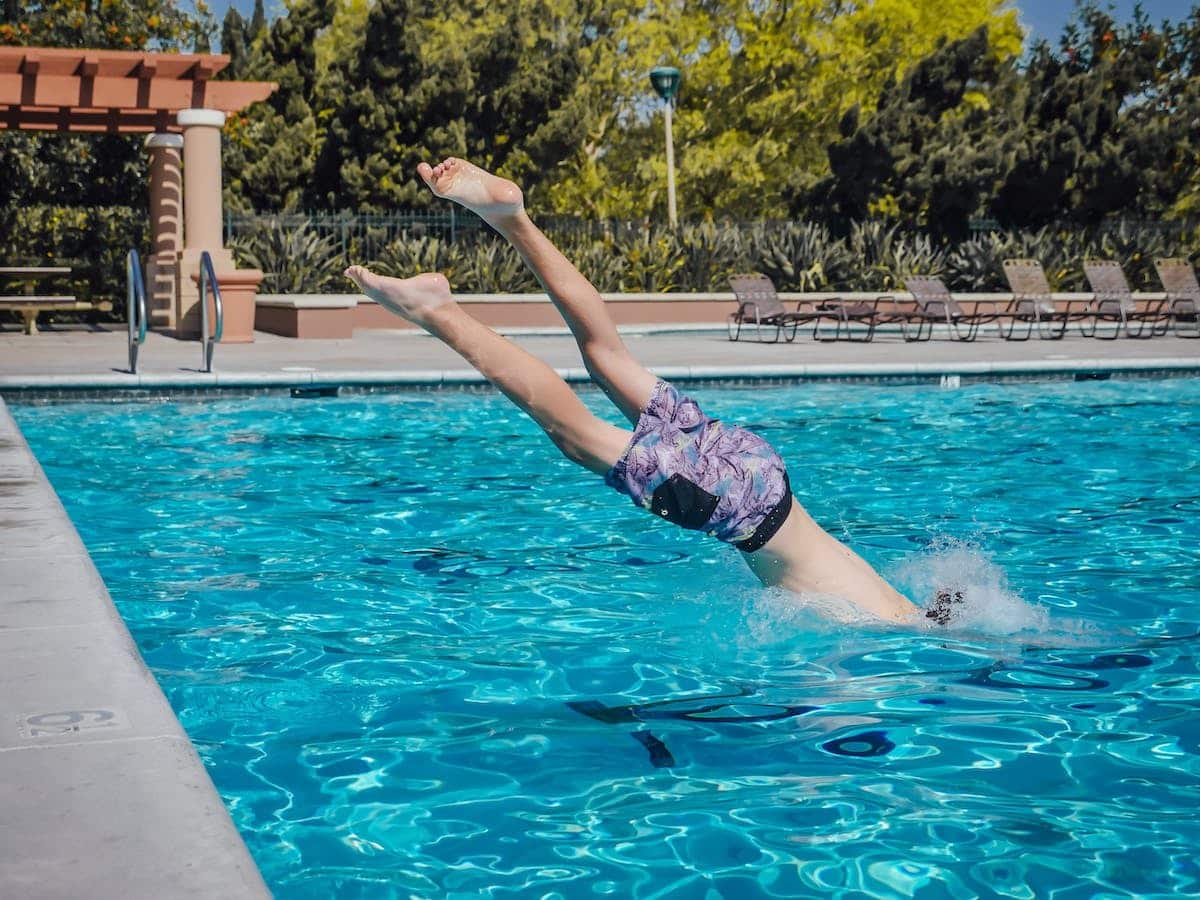
On the other hand, from a safety perspective, why are swim shorts prohibited becomes a relevant question? Due to their generally loose and floating cut, they can pose certain risks, especially for those who do not swim well. They can create a parachute effect underwater that can destabilize and hinder the swimmer’s mobility.
To comply with these hygiene and safety rules, French pools are often strictly regulated regarding the choice of allowed swimwear. Acceptable attire is therefore limited to fitted briefs or boxers for men, and bikinis or one-piece suits for women, all specifically designed for aquatic use.
While this prohibition may be seen as restrictive by some users accustomed to their comfortable shorts, it is important to understand that it primarily aims to preserve public health and ensure a safe environment in the communal space that is the public pool.
Standards in Pools: What Rules for Swimwear
When it comes to the standards governing aquatic facilities, it is crucial to emphasize that each country has its own guidelines. In France, for example, the NF P 90-300 standard set by the French Standardization Association (AFNOR) governs hygiene and safety requirements in public swimming pools.
Regarding hygiene, this standard stipulates that microbiological and chemical contamination of the collective pool must be prevented. Wearing an appropriate swimsuit is an integral part of these essential precautions to ensure the well-being of users.
In terms of safety as well, the NF P 90-300 standard imposes strict rules regarding the individual equipment of swimmers. In a constant effort to avoid any potentially serious or even fatal accidents in an aquatic environment where people with varying swimming abilities coexist, normally, floating shorts are prohibited as they can significantly hinder mobility and lead to greater muscle fatigue for inexperienced swimmers. Additionally, some loose shorts offer less aerodynamics and create drag that can further compromise their stability in the water, especially when attempting to execute quick movements or rescue exercises.
It should be noted that these standards are continuously updated based on technological advancements and new scientific knowledge. It is possible that in the future, shorts with a looser cut but specifically designed to maintain safety and hygiene will be accepted in aquatic facilities. But so far, some countries have adopted a more flexible approach, relying more on the individual responsibility of the swimmer rather than a strict regulation imposing specific attire.
If you want to fully enjoy your experience in French public pools, make sure to comply with the current standards. Choose an appropriate swimsuit that not only guarantees your comfort but also preserves community hygiene and contributes to ensuring everyone’s safety. And don’t hesitate to regularly check local guidelines regarding aquatic facilities to stay informed about the latest changes. Preserving our collective health and maintaining a safe environment should be our priorities when accessing communal pools.
Swim Shorts: What Dangers for Pool Users
The prohibition of swim shorts in pools is not just a matter of standards or regulations. It is also motivated by potential risks to the safety and hygiene of swimmers.
It is important to mention that loose swim shorts can pose a risk of snagging or entanglement with equipment present in the pool, such as ladders, slides, or water jets. The cords and fasteners often used to adjust these shorts can easily catch on surrounding structures, leading to potentially serious accidents.
Some models of floating shorts can distort the swimmer’s balance by creating increased resistance in the water. This additional resistance can affect the swimmer’s stability and mobility, thereby increasing the risk of falls or collisions with other people in the pool.
It should be emphasized that certain materials used in the design of traditional shorts can promote the development and proliferation of bacteria. Prolonged stagnation of water mixed with various chemical substances like chlorine can create an environment conducive to their multiplication. This poses a risk to the health of users who are exposed to these microorganisms if they wear this type of short for an extended period without rinsing it properly after each use.
It is also important to note that loose shorts can hinder lifeguards’ surveillance. Indeed, their significant volume can obscure certain parts of the body and make it more difficult to quickly identify a potential medical problem or emergency situation.
It is crucial to consider these various potential risks associated with swim shorts when discussing their prohibition in public pools. However, it is also important to find a balance between respecting standards while allowing swimmers to fully enjoy their aquatic activities in compliance with health and safety rules.
Alternative Swimwear: What Options to Prefer
In light of the prohibition of swim shorts in pools, consider turning to alternatives that meet safety and hygiene requirements. Fortunately, the market today is filled with a variety of choices for those who wish to fully enjoy the joys of swimming while adhering to the rules in force.
The first popular alternative to traditional swim shorts is undoubtedly the one-piece swimsuit. This type of attire offers full body coverage while ensuring complete freedom of movement. They are generally made from chlorine-resistant materials and allow for quick drying, thus ensuring great comfort when worn for extended periods.
Another interesting option is the shorty or full suit. These fitted models offer additional protection against the sun’s ultraviolet rays while maintaining great ease in the water. They are often made from breathable, quick-drying technical fabrics for optimal comfort.
For those who prefer to maintain their personal style when swimming, there are also specially designed boxers or swim briefs for this use. These fitted models ensure good support while significantly reducing the risk of snagging or entanglement in aquatic equipment.
Some facilities even offer the rental or on-site sale of swimsuits that comply with pool standards, for those who may have forgotten their swimsuit or wish to avoid buying one specifically.
It is important to note that the choice of alternative will also depend on personal preferences and individual needs. Whether it is a simple and classic style or a bolder and more colorful outfit, it is possible to find a suitable alternative for everyone.
Although swim shorts are often prohibited in pools for legitimate reasons related to safety and hygiene, fortunately, there are now several appropriate alternatives available on the market. Whether with a one-piece swimsuit, a shorty, a full suit, or even opting for on-site rental of a compliant swimsuit, everyone can fully enjoy aquatic activities while adhering to the rules established by aquatic facilities.
It is essential for public pools to comply with specific requirements regarding attire to ensure not only their own safety but also that of other swimmers. The proper use of an appropriate alternative will thus allow everyone to benefit from a pleasant and safe experience in these beloved aquatic spaces.
Prohibition of Swim Shorts: Divided Opinions
Beyond the alternatives to swim shorts, there are lively debates between proponents of strict regulation and those advocating for greater flexibility.
On one side, some firmly support the prohibition of swim shorts for hygiene reasons. According to them, these loose garments can retain more water and be conducive to the proliferation of potentially harmful bacteria for the health of swimmers. They believe that wearing fitted swimsuits allows for better control of hygiene levels in public pools.
On the other hand, some contest this prohibition, arguing that it constitutes a form of dress discrimination. They emphasize that everyone should have the right to choose their swimwear without being subjected to strictly imposed rules by aquatic facilities. For them, as long as personal cleanliness is ensured and there is no direct risk to the safety of other swimmers, there should be no obligations regarding the specific type of swimsuit used.
This debate is also influenced by various cultural and regional factors. In some countries where wearing shorts is common in all daily situations or when practicing water sports such as surfing or paddleboarding, for example, the prohibition of shorts may seem strange and unnecessary. In contrast, in other countries where dressing norms are stricter, the prohibition of swim shorts is more accepted.
It is interesting to note that some facilities have adopted a conciliatory approach to these differences by establishing specific time slots reserved for people wearing swim shorts. This initiative thus allows for satisfying different opinions while ensuring compliance with hygiene and safety rules.
The prohibition of swim shorts in pools elicits different reactions and opinions. Arguments related to hygiene and safety are often put forward to justify this measure, while others question this regulation deemed discriminatory or excessive. It seems important to balance respect for health standards with individual freedom so that everyone can fully enjoy their aquatic activities while ensuring a healthy environment for all users.
Pools: Balancing Hygiene, Safety, and Comfort for All
It is essential to find a harmonious balance between hygiene, safety, and comfort in pools. The prohibition of swim shorts may seem excessive to some, while others support this regulation in the name of cleanliness and prevention of health risks.
Considering specific time slots for people wishing to wear swim shorts is a commendable initiative that would allow for respecting sanitary standards while preserving individual freedom. This conciliatory solution could meet the divergent expectations in this complex debate.
It is important to think about hygiene and safety rules in public aquatic spaces. Swimmers must be informed about the potentially harmful impact of not adhering to sanitary standards and encouraged to adopt responsible practices to avoid any contamination or accidental injury.
A close collaboration between public pool managers and the relevant authorities would be beneficial to develop a more adequate regulatory framework that takes into account various factors such as cultural and regional context as well as technological advancements (for example: increased use of antibacterial materials). This would also help establish clear protocols in case of incidents or non-compliance with the rules.
The question of the prohibition of swim shorts in pools does not have a universal answer. It is necessary to establish a delicate balance between preserving hygiene and safety while respecting the comfort and individual freedom of swimmers. Alternative solutions such as specific time slots can be considered to accommodate different viewpoints and ensure a pleasant experience for all public pool users. Only constructive dialogue and careful consideration of the various aspects related to this issue will lead to adequate regulation that meets the varied needs and expectations of the concerned public.