Comfrey, famous for its fertilizing and healing properties, has become an essential in organic gardens. Its leaves, rich in potash, nitrogen, and calcium, provide an ideal nutritional cocktail for plantings. Comfrey tea, a fermented extract of this plant, serves as an exceptional organic fertilizer and compost accelerator. Its wise use revitalizes soils and stimulates crop growth. Amateur and professional gardeners are therefore eager to master its simple and ecological preparation to enhance their green space while respecting natural balance and biodiversity.
Comfrey: a plant with multiple virtues for the garden
Recognized for its medicinal and fertilizing properties, common comfrey stands out for its richness in nutrients. Its leaves, concentrated in potash, nitrogen, and calcium, and endowed with allantoin, promote vigorous plant growth. Allantoin, in particular, effectively stimulates the multiplication of plant cells, giving comfrey a valuable supportive role in the repair and development of plant tissues. In the vegetable garden, comfrey proves to be a significant ally. It provides vegetables, plants, flowers, and fruit trees with the trace elements essential for their flourishing. Adding its leaves directly as mulch or incorporated into compost improves soil structure while providing gradual nutrition to crops. However, a question arises among gardeners: is comfrey tea prohibited? The answer is no, quite the opposite. This tea remains a bio fertilizer, perfectly authorized and recommended for use in organic gardening practices. It acts as an excellent compost activator and repellent against pests, enhancing plants’ resilience against diseases and nuisances. Therefore, take advantage of this natural resource to enrich your garden in an ecological and sustainable way.
Homemade comfrey tea preparation: steps and usage tips
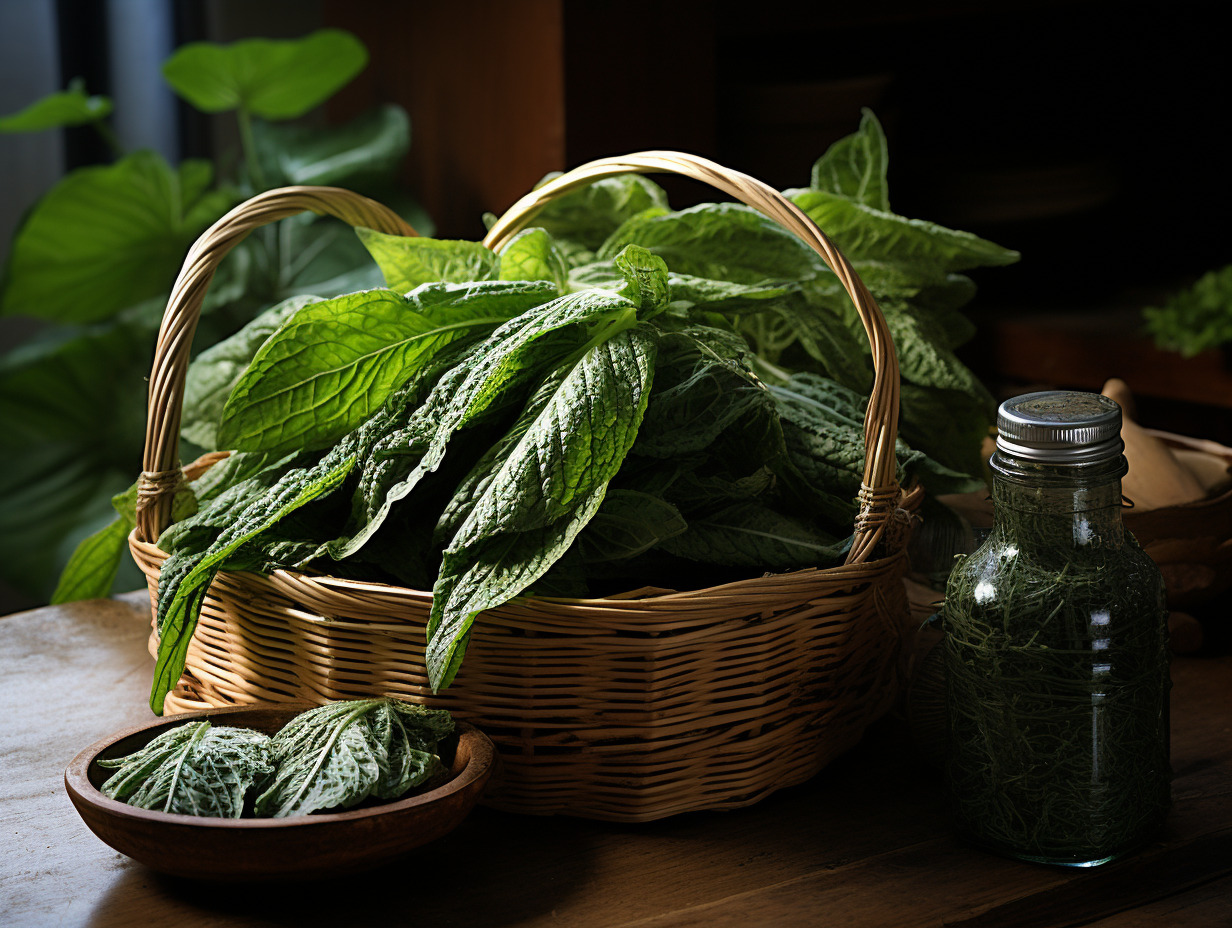
Making comfrey tea requires few ingredients and offers considerable benefits for the health of your garden. Start by harvesting comfrey leaves, preferably before flowering, when they are most nutrient-rich. Coarsely chop the leaves and place them in a sufficiently large container. For an effective ratio, count 1 kilogram of leaves for 10 liters of rainwater, preferable as it is non-chlorinated and rich in minerals. The mixture should then ferment. Cover it with a permeable cloth to protect it from insects and let it rest in the shade for 1 to 2 weeks, depending on the temperature. Stir the tea every two days to aerate the mixture and promote the fermentation process. You will know the tea is ready when the liquid turns dark brown and the fermentation activity slows down, a sign that the nutrients are well infused in the water. When applying, diluted comfrey tea is recommended. A 10% dilution is generally advised, meaning 1 liter of tea for 10 liters of water. This mixture can be used as a foliar fertilizer or for watering at the base of plants, from vegetables to fruit trees, including flowers and seedlings. Follow this practice regularly while observing your plants’ reactions to ensure optimal nutrient supply. Acting as a compost activator, comfrey tea also promotes faster decomposition and better compost quality, a key element of organic gardening.