In the kitchen of every foodie lies a sweet secret that many dream of mastering: the making of homemade caramel. This golden, creamy preparation, which is nothing more than sugar transformed by heat, is the base of many treats and desserts. Its creation may seem intimidating, but it is actually accessible to everyone. With a little patience and the right techniques, any sweet lover can create a beautifully gleaming caramel, ready to drizzle over ice cream, fill tarts, or add a touch of magic to a simple apple.
The Secrets of Perfect Homemade Caramel
Choosing Ingredients and Equipment: The success of a homemade caramel recipe begins with the careful selection of components. Granulated sugar, the main player, must be of high quality. For salted butter caramel, opt for a flavorful semi-salted butter and whole liquid cream for their creaminess. A non-stick pan or a heavy-bottomed saucepan will be your best ally to ensure even cooking and prevent the sugar from burning.
Mastering the Cooking Process: Caramel requires constant attention. Temperature is crucial: too low, the sugar crystallizes; too high, it burns and becomes bitter. A medium heat and a watchful eye will help you achieve the desired amber color. For salted butter caramel, a tip is to heat the cream before adding it to the caramelized sugar, facilitating emulsification and avoiding splashes.
Cleaning After Preparation: Once hardened, caramel can seem challenging to clean. However, there is a simple method: fill the pan or saucepan with water and heat it. The caramel will gradually dissolve, making cleanup less laborious. This step, often dreaded, should not discourage budding pastry chefs from embarking on the adventure of homemade caramel.
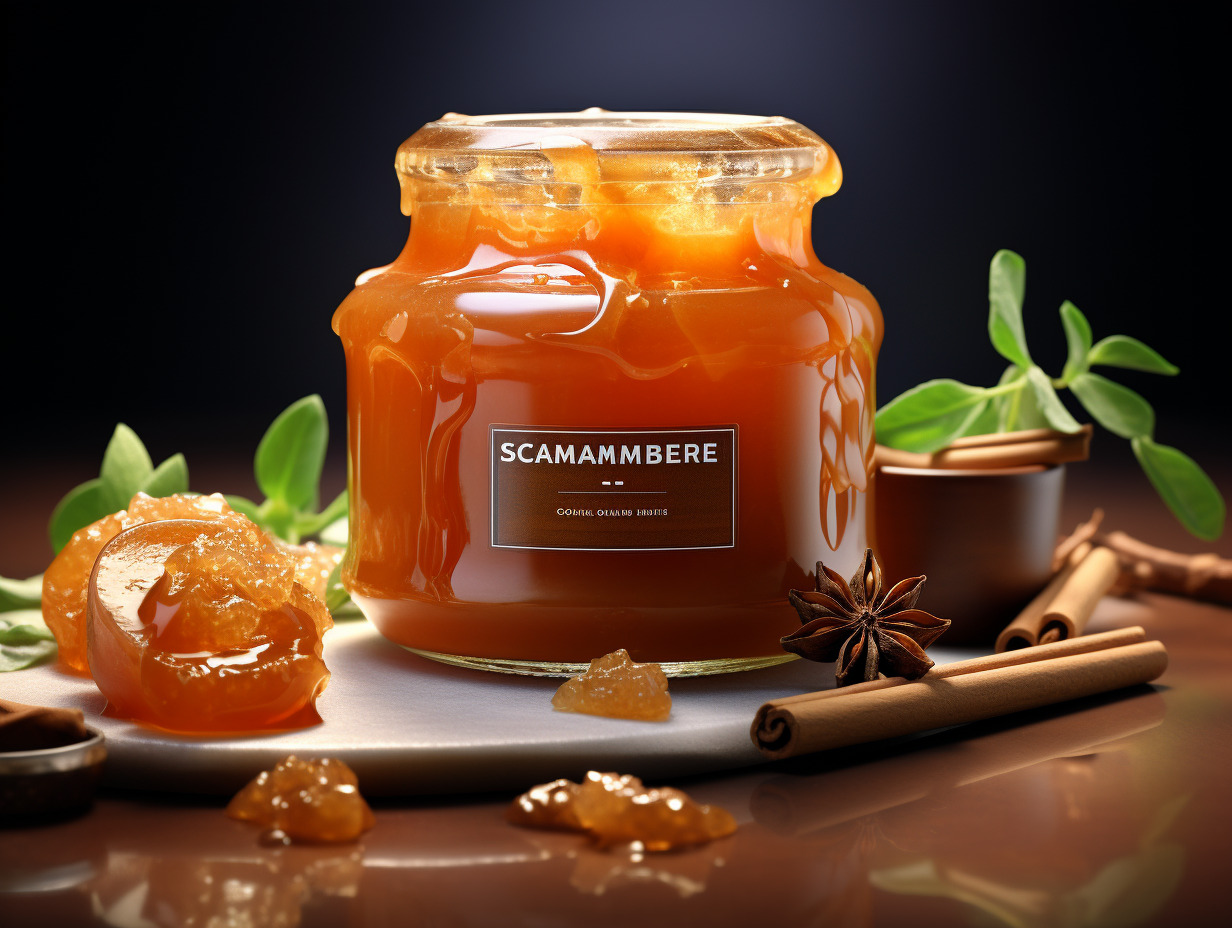
The Various Uses of Caramel in Cooking
From Pastry to Savory Dishes: Caramel is not confined to desserts alone. Of course, it works wonders in classics like Tatin pies or flans. But savory cooking also opens its doors to it. Have you ever tried caramel pork? This Asian specialty combines the sweetness of caramel with the intense flavor of meat, offering an unexpected taste contrast.
Variations and Creativity: Caramel also comes in liquid form, as a sauce to accompany ice creams and cakes, or even to add a sweet touch to your hot drinks. The salted butter caramel, for instance, makes its way into recipes for macarons and candies, bringing a rich and bold note. The ingenuity of chefs allows caramel to constantly reinvent itself, securing its place in gastronomy.
Techniques and Tips: Incorporating caramel into your preparations requires finesse and technique. Consider water caramel for a lighter result or cream caramel for more creaminess. Chefs love to play with textures, creating contrasts between a crispy exterior and a melting center. Master the cooking and cooling processes to achieve the perfect consistency, and your caramel will become an undeniable asset in your culinary repertoire.