The real effectiveness of a method to soothe anxiety is never measured by a universal rule. For some, a breathing session triggers almost immediate calm. Others fumble, search for their rhythm, and take weeks to perceive a change. Studies indicate that combining several techniques, rather than relying on just one, often builds a deeper stability that is less prone to relapse.
Mental health specialists emphasize adaptation: each journey, each context calls for tailored responses. Recent discoveries about the triggers of anxiety open access to customized solutions that are easy to incorporate into daily life, monitored and concrete.
Anxiety in daily life: why it invades our lives
The word “anxiety” has never circulated as much in our conversations. The prevalence of anxiety disorders is rising across all generations. Stress no longer only arises during major deadlines: it infiltrates everywhere, both at work and at home. Behind this tension lies a precise mechanism: the nervous system triggers the production of cortisol, that infamous stress hormone, which eventually exhausts the body when it goes into overdrive. This reflex, meant to defend us against danger, becomes counterproductive when it imposes itself as an invisible routine.
The symptoms of anxiety take a thousand forms: racing heart, broken nights, tense muscles, irritability that appears without warning. It becomes difficult to draw the line between normal vigilance and a genuine anxiety disorder. Often, generalized anxiety arises without a clear reason. It is social pressure, economic uncertainty, or the frantic pace of our digital lives that fuels this quiet fire.
Why does this ailment cling so tightly? For researchers, it all plays out in the intertwining of genetic predispositions, environment, and social factors. Each personal story modulates sensitivity to anxiety, which then rubs against the demands of our time. Hence the importance of consulting a mental health professional, capable of spotting anxiety disorder symptoms early, before they settle in permanently.
To explore in more detail the causes of anxiety and identify validated solutions, learn more on Hub Santé provides analyses, advice, and feedback to better understand and act.
What concrete methods can soothe the mind and restore serenity?
In the face of rising anxiety disorders, seeking tangible answers is part of daily care. Several proven methods for regaining serenity stand out, backed by solid studies and field experience.
Cognitive-behavioral therapy: a cornerstone of care
Cognitive-behavioral therapy (CBT) has established itself over the years as the foundation for treating anxiety. It works on negative thoughts and behaviors that perpetuate stress. Through concrete exercises, it helps to dismantle vicious cycles, allowing the majority of those treated to observe a marked reduction in symptoms.
Meditation and breathing techniques: accessible tools
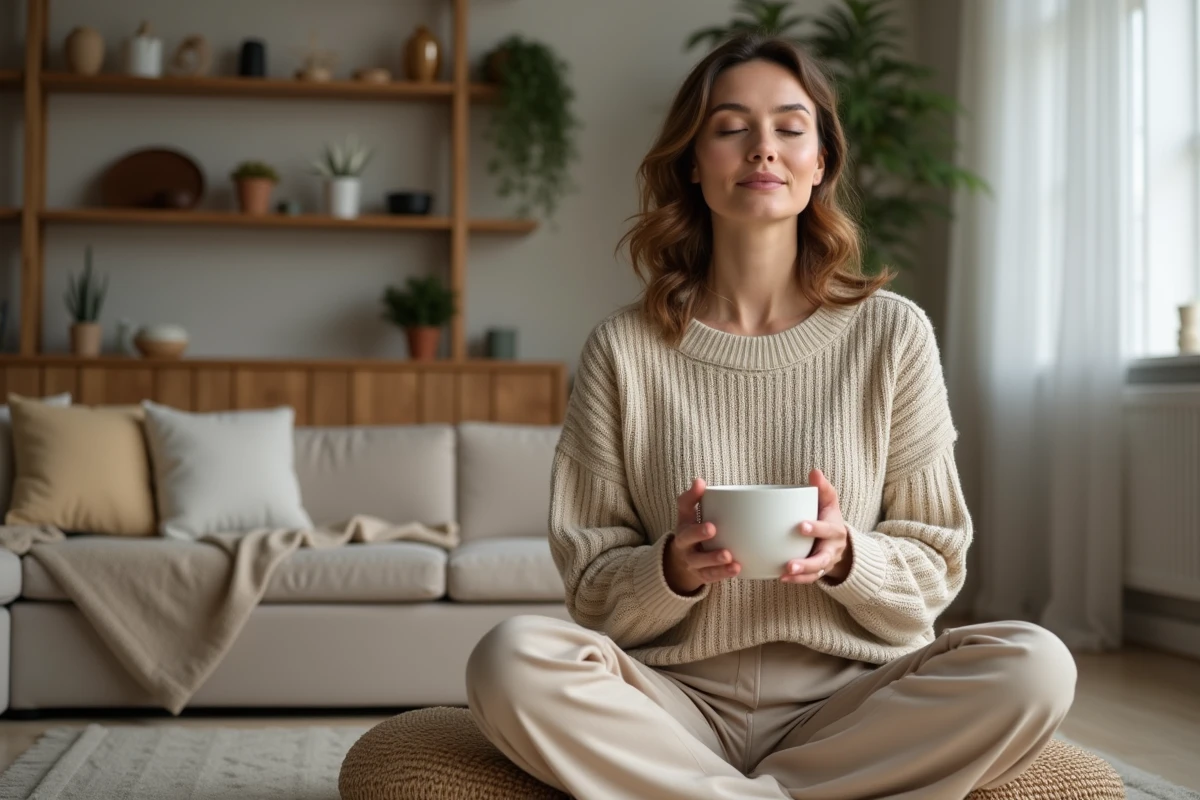
Meditation and breathing techniques easily fit into everyone’s routine. Practicing deep breathing stimulates the parasympathetic nervous system, limits cortisol, and promotes a return to calm. As for mindfulness meditation, studies validate its usefulness in learning to observe anxious thoughts without letting them dictate life.
Here are other levers to explore, depending on needs and preferences:
- Regular physical activity: moving releases endorphins, lowers tension, and supports mental health.
- Dietary supplements for anxiety: certain natural extracts, validated by a health professional, can assist in emotional management.
- Guided relaxation: muscle relaxation exercises, visualizations, or soothing music help lighten the mental load.
When anxious manifestations persist or intensify, it is strongly advised to consult a mental health professional trained in these approaches. Appropriate care, based on current knowledge, paves the way for regained stability.
Small habits, big effects: integrating relaxation into your routine without pressure
As days go by, the succession of demands, messages, and tasks leaves little respite. However, studies show that small anti-stress habits weigh heavily in the balance: they help regulate stress and strengthen mental health in the long term. The challenge is to move forward step by step, without the demand for perfection.
A few minutes of abdominal breathing are enough, slipped in between meetings or during commutes. This reflex slows the heart, lowers blood pressure, and prepares the brain to release pressure. Engaging in physical activity, even briefly, triggers the release of endorphins. These are powerful natural regulators of anxiety.
Mindfulness meditation also finds its place, in the morning or evening. Five minutes dedicated to observing the breath, listening to sensations, is enough to refocus the mind. This ritual, validated by research, also improves the quality of restorative sleep and combats sleep disorders related to anxiety.
Revising one’s diet complements this approach: reducing stimulants, adding fruits, vegetables, and omega-3s. This choice supports the immune system and brain function. It is not perfection, but consistency that makes the difference and strengthens resilience against anxiety. Even imperfect, a regular routine provides a solid foundation for relaxing the mind and taking care of the body.
Through adjusting, trying, and resuming, everyone eventually invents their own score of calm, one that, day after day, pushes back anxiety and reinstalls serenity in daily life.